

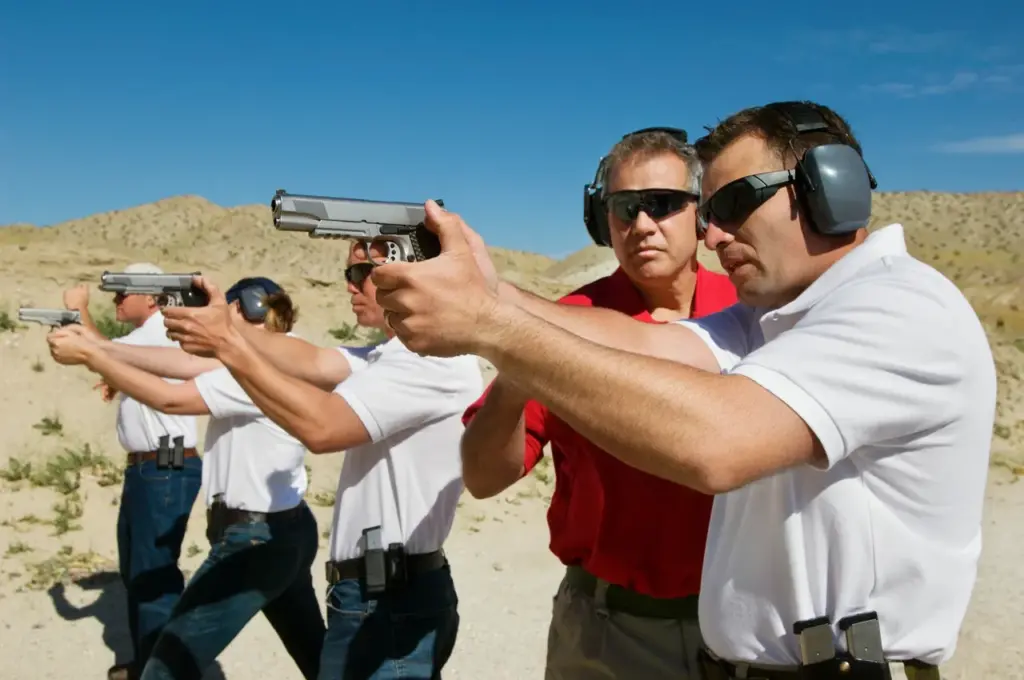
Every responsible gun owner understands that training saves lives. Learning to handle a firearm safely and confidently is an act of care for yourself, your family, and your community. Skill matters. Judgment matters. Education matters. But when the government takes control of that process through mandated training, it often turns something meant to promote safety into something that breeds frustration and mistrust.
Mandated firearms training sounds sensible in theory. Who doesn’t want responsible ownership? The problem is that these programs are rarely focused on actually teaching safety. Too often, they carry a political undertone, framing lawful ownership as a public problem rather than a shared responsibility. Instead of encouraging confidence and competence, they sometimes shame or lecture ordinary citizens who have done nothing wrong simply for being gun owners. That isn’t responsible instruction, it’s manipulation disguised as education.
Beyond that, government training is usually too basic and too rigid to meet real-world needs. A standardized, one-size-fits-all curriculum can’t possibly serve everyone well. The experienced sportsman, the veteran, and the new single mother learning to protect herself all have different realities, yet they’re forced through the same hollow process. The result isn’t safer communities—it’s box-checking and bureaucracy. Furthermore, state and local governments use exorbitant fees and onerous requirements on instructors to make their own training mandates unnecessarily complicated and expensive to follow, placing another artificial barrier in the way of lawful gun ownership. Criminals, on the other hand, usually obtain their guns illegally anyway, so training mandates don’t stop them from harming other people.
When citizens see their good faith repaid with condescension and politicized messaging, trust in institutions breaks down. People become resistant not because they reject safety, but because they sense unfairness. They know the intent isn’t to help them become skilled and confident, it’s to discourage them from participating in something the state disapproves of. And when trust erodes, cooperation disappears.
We should care enough about safety to demand real, effective training—training that respects the learner, meets their needs, and builds skill rather than resentment. The best instruction comes from professionals who tailor lessons to individual goals, not from state-approved slideshows written by bureaucrats.
If we truly want safer communities, we need training that treats gun owners as partners in responsibility, not as problems to be managed. Education should uplift, not alienate. It should empower, not shame. When fairness and respect guide the approach, people don’t resist—they rise to the standard. That’s how you build safety that lasts.